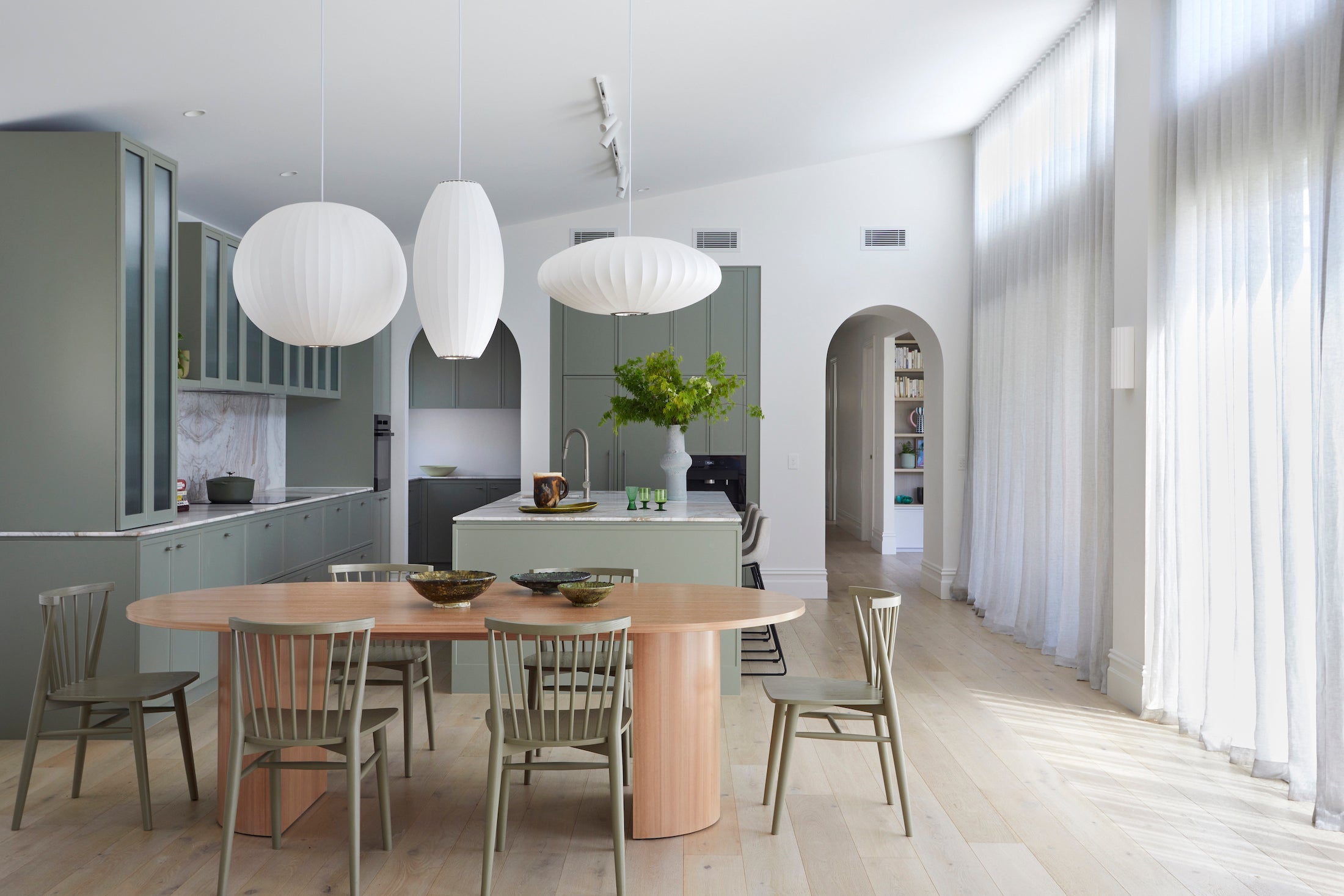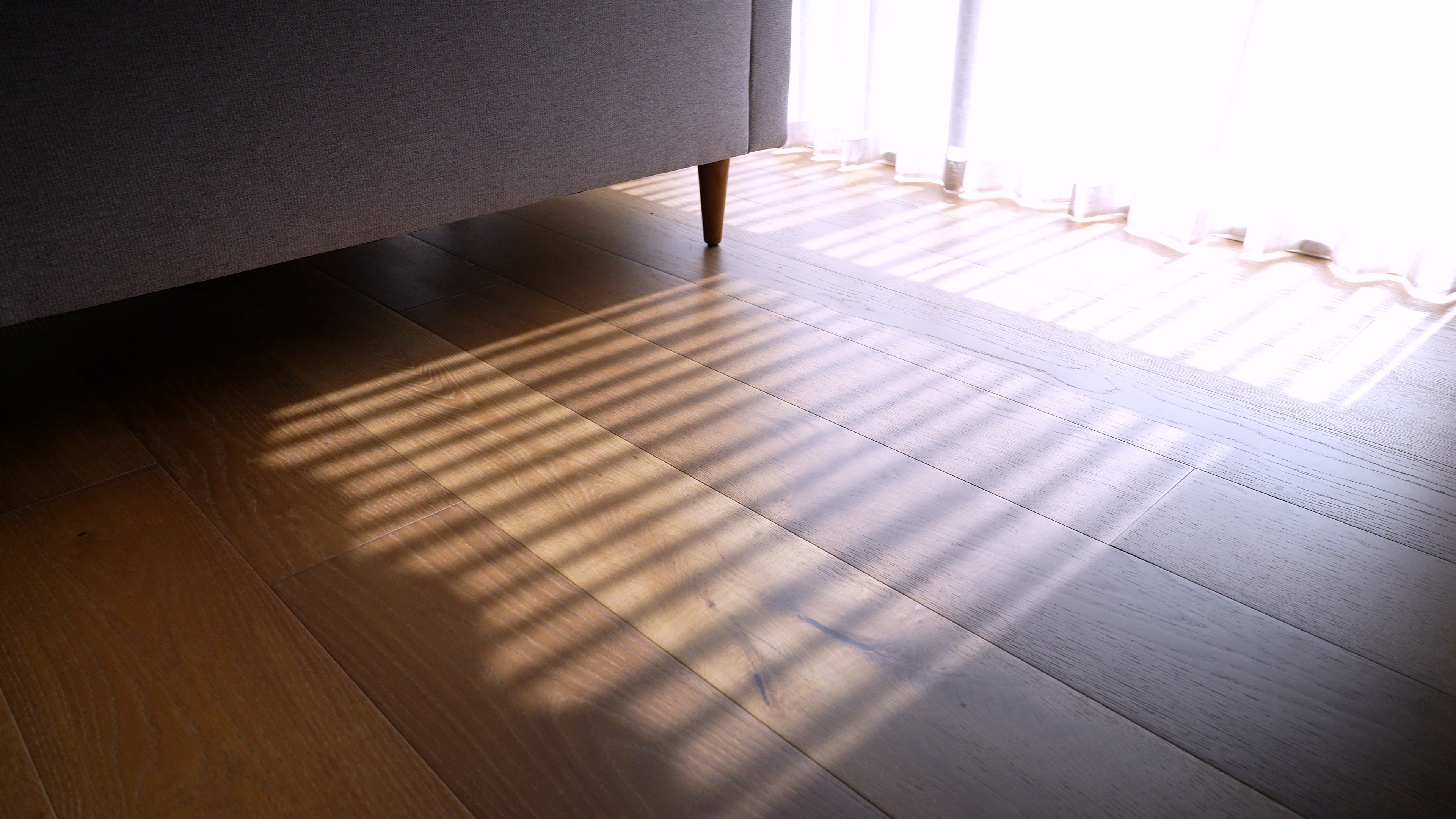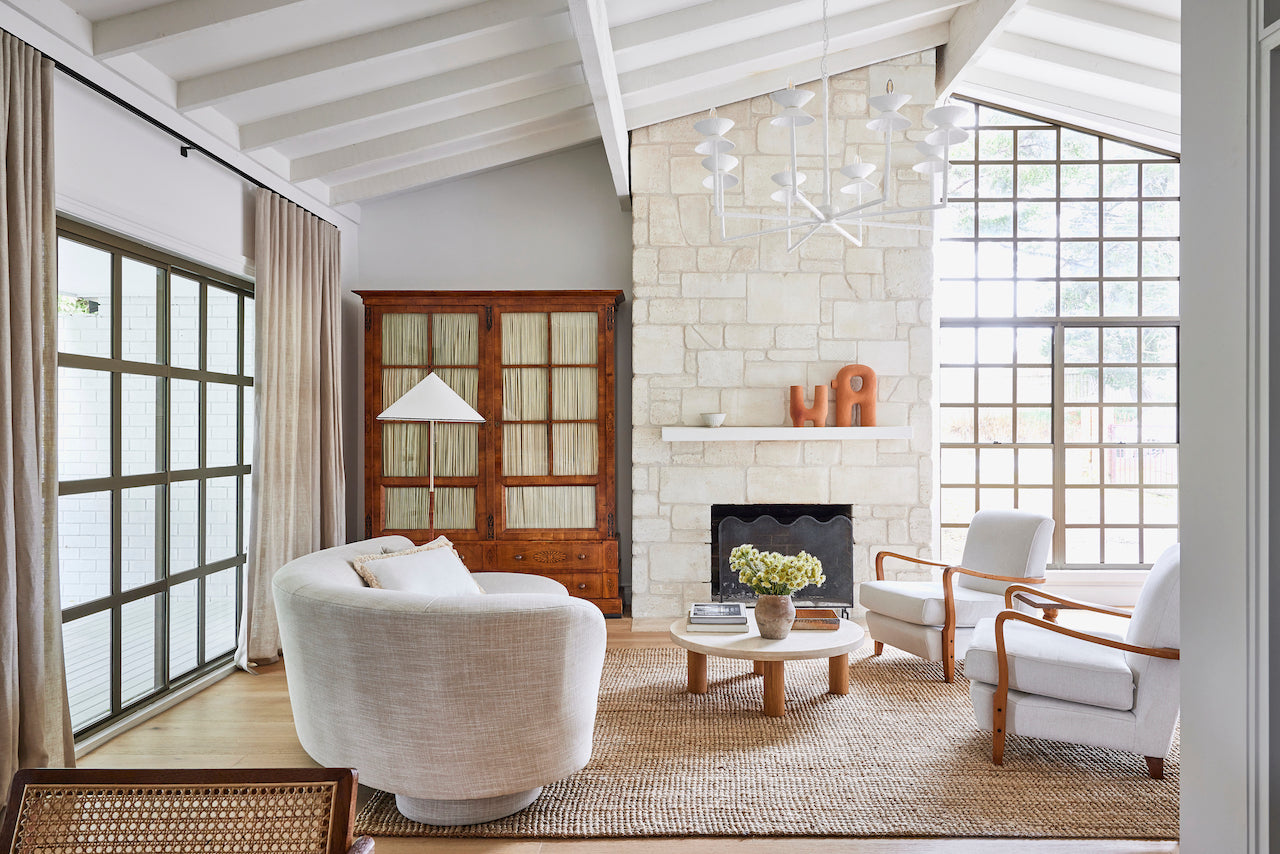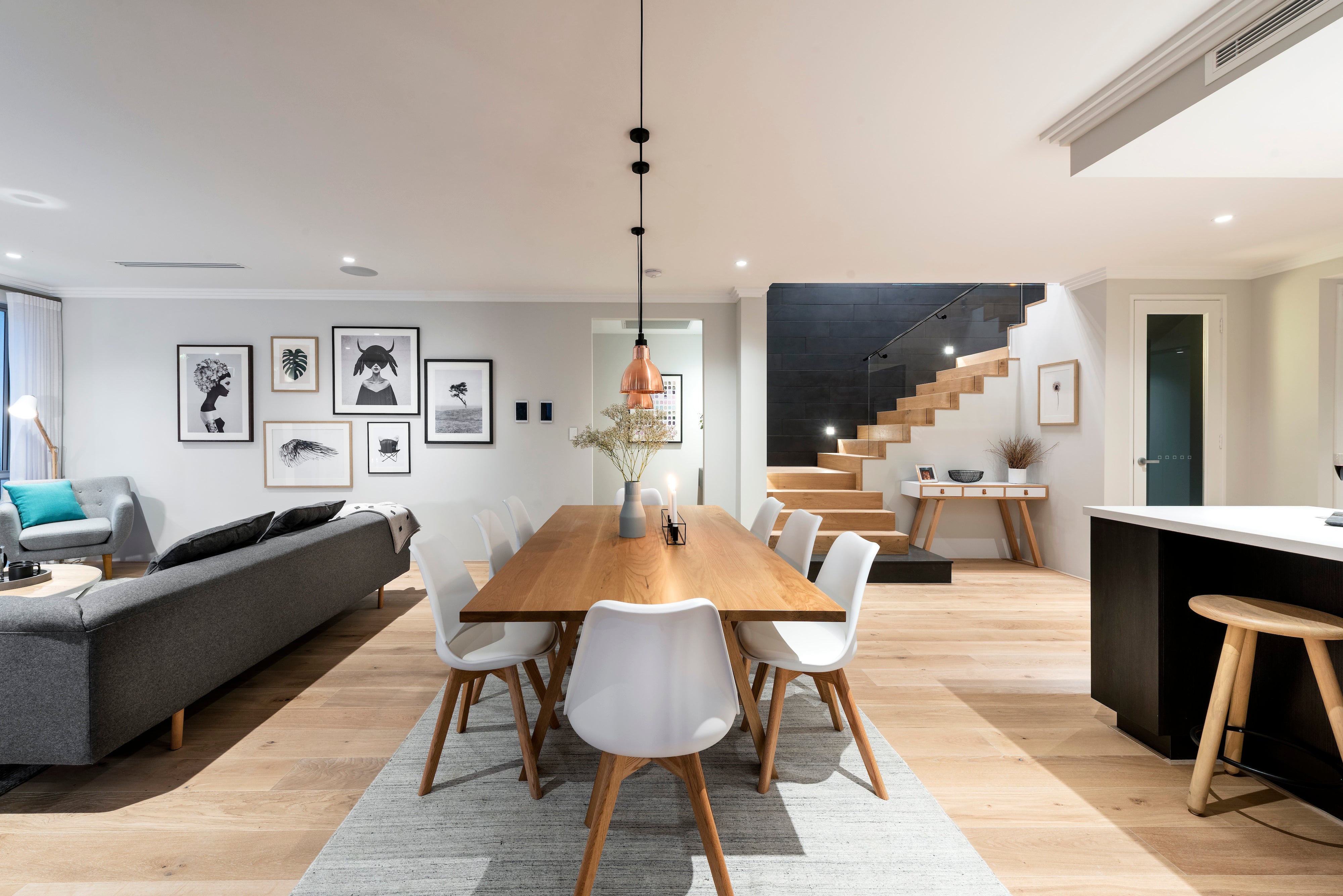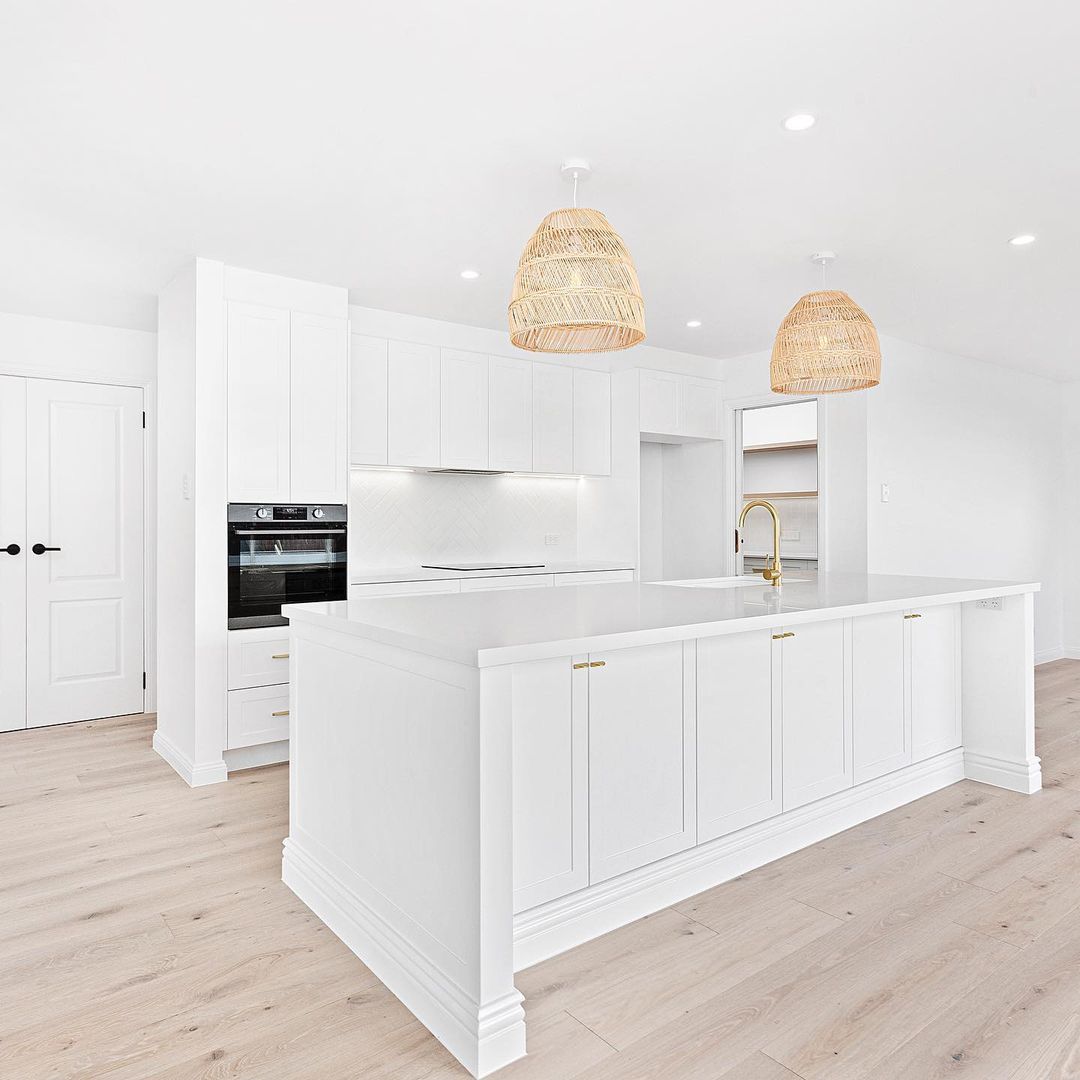
Engineered timber flooring combines the natural beauty of real timber with the stability of modern flooring construction. It features a genuine hardwood surface bonded to a multi layer core, giving you the warmth, grain and character of timber while reducing some of the natural movement associated with solid wood.
Available in popular species such as European Oak, Blackbutt and Spotted Gum, engineered timber flooring is a versatile choice for Australian homes, renovations and new builds.
How is Engineered Timber Flooring Made?
Unlike solid timber flooring, which is made from a single piece of hardwood, engineered timber is constructed in layers.
The top wear layer or veneer is genuine timber, providing the natural colour, grain and texture you see and feel. Beneath it is a strong multi layer core designed to improve dimensional stability.
Wear layers can vary in thickness, so this is an important feature to compare. Generally, a thicker timber layer provides greater potential for future sanding or refinishing, depending on the product.
What Are the Benefits of Engineered Timber Flooring?
Engineered timber has become a popular flooring choice because it balances natural appearance with practical performance.
Real timber appearance: Every board has genuine timber grain, texture and natural colour variation.
Greater stability: Its layered construction helps minimise expansion and contraction caused by changes in temperature and humidity.
Flexible installation: Depending on the product, engineered timber can be installed using floating or direct stick methods over suitable subfloors.
Design versatility: Choose from different timber species, colours, grades, board widths and finishes to complement almost any interior.
Refinishing potential: Some engineered timber floors can be lightly sanded or refinished, depending on the thickness of the timber wear layer.
Engineered Timber vs Solid Timber: What's the Difference?
The main difference between engineered timber and solid timber flooring is construction.
Solid timber is made from one piece of hardwood, while engineered timber combines a real hardwood surface with a layered core.
Both provide the authentic beauty of natural timber. Engineered timber generally offers greater dimensional stability and installation flexibility, while solid timber can usually be sanded and refinished more times.
The best option depends on your home, lifestyle, subfloor, budget and long term expectations.
Engineered Timber vs Hybrid Flooring
Engineered timber and hybrid flooring may look similar, but they are different products.
Engineered timber flooring has a genuine hardwood surface, while hybrid flooring generally uses a manufactured core and decorative timber look layer.
Engineered timber is ideal for homeowners who value the natural grain, texture and variation of real wood. Hybrid flooring may be preferred where greater resistance to moisture and everyday wear is the priority.
Which Engineered Timber is Best?
The best engineered timber flooring depends on the look and character you want to create.
European Oak
European Oak engineered flooring is known for its distinctive grain and wide colour range. Its versatility makes it suitable for contemporary, Coastal, Hamptons, Scandinavian and traditional interiors.
Blackbutt
Blackbutt engineered timber flooring offers warm, natural Australian tones and works beautifully in light and contemporary interiors.
Spotted Gum
Spotted Gum engineered flooring features richer colour variation and distinctive grain, making it ideal for spaces where natural Australian character is a key design feature.
Is Engineered Timber Flooring Waterproof?
No. Engineered timber flooring should not be considered waterproof.
Its layered construction can provide greater dimensional stability than traditional solid timber, but the surface is still genuine wood. Spills should be cleaned promptly and excessive moisture should be avoided.
Always check the manufacturer's recommendations before choosing flooring for kitchens or other moisture prone areas.
How Long Does Engineered Timber Flooring Last?
Quality engineered timber flooring can provide many years of performance when correctly installed and maintained.
Its lifespan depends on the quality of the floor, wear layer thickness, surface finish, installation, household traffic and ongoing maintenance.
Rather than comparing products on price or veneer thickness alone, consider the overall construction, warranty, finish and suitability for your home.
How Do You Maintain Engineered Timber Flooring?
Regular maintenance can help preserve the natural appearance of your timber floor.
Vacuum or sweep regularly to remove dust, dirt and grit that could scratch the surface. Clean using a lightly damp mop and a pH neutral, timber safe cleaner, following the manufacturer's care instructions.
Avoid excessive water, steam cleaning and harsh household chemicals unless specifically approved for your flooring.
Using entrance mats and protective pads underneath furniture can also help minimise everyday scratches and wear.
What Should You Look for When Buying Engineered Timber Flooring?
Before choosing engineered timber flooring, consider more than just colour.
Compare the timber species, wear layer thickness, board construction, finish, board width, installation method, warranty and maintenance requirements.
It's also a good idea to view flooring samples inside your home. Natural light, cabinetry, furniture and wall colours can significantly influence how a timber colour appears in your space.
Frequently Asked Questions
Is engineered timber flooring real wood?
Yes. Engineered timber flooring has a genuine hardwood surface bonded to an engineered core. This gives it the natural grain, colour and texture of real timber.
What are the disadvantages of engineered timber flooring?
Engineered timber is not waterproof and generally cannot be sanded as many times as traditional solid timber. Refinishing potential also varies depending on the thickness of the timber wear layer.
Is engineered timber better than solid timber?
Neither is necessarily better. Engineered timber generally provides greater dimensional stability and installation flexibility, while solid timber offers greater refinishing potential. The best choice depends on your home and priorities.
Can engineered timber flooring be installed over concrete?
Yes. Many engineered timber floors can be installed over a correctly prepared concrete subfloor using floating or direct stick installation methods. Always follow the manufacturer's installation requirements.
Can engineered timber flooring be sanded?
Some engineered timber flooring can be sanded or refinished. This depends largely on the thickness of the real timber wear layer and the construction of the floorboard.
Is engineered timber flooring suitable for pets?
Yes, but scratches can occur because the surface is genuine timber. Keeping pet nails trimmed, regularly removing dirt and grit, and using protective mats can help reduce everyday wear.
Is Engineered Timber Flooring Right for Your Home?
Engineered timber flooring is an excellent choice if you want the authentic warmth and character of real timber with the stability of engineered construction.
From European Oak to Australian Blackbutt and Spotted Gum, there are options to suit almost every interior style. Before deciding, compare samples in your own space and consider the timber species, construction, finish and installation requirements to find the right floor for your home.
Browse our entire range of engineered timber flooring here or order 3 free samples to start your flooring journey.
By Ebony Fraser