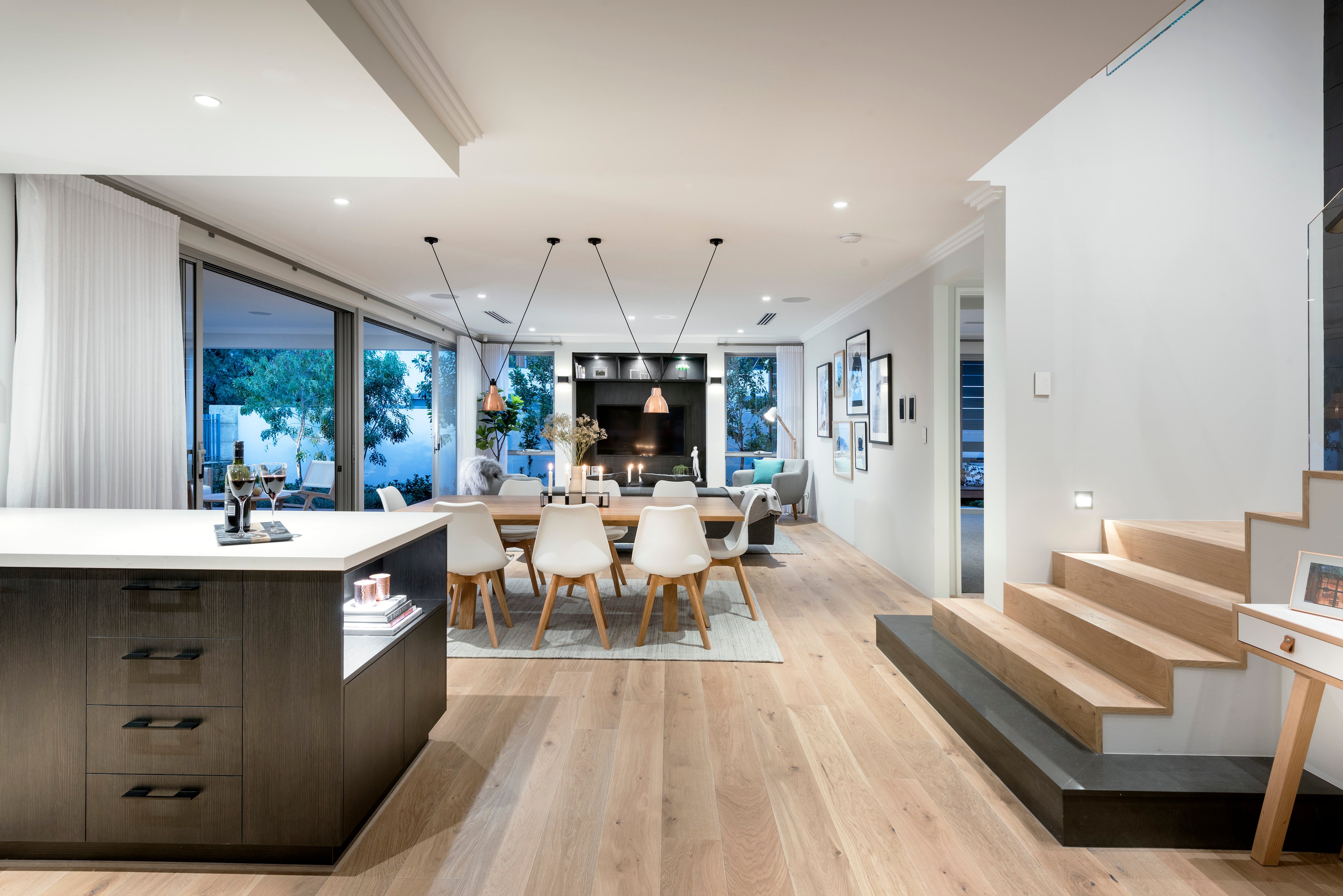
Your Guide to Floating Floorboards
Find out all you need to know about floating floorboards. From product features down to installation we've got you covered.

Find out all you need to know about floating floorboards. From product features down to installation we've got you covered.
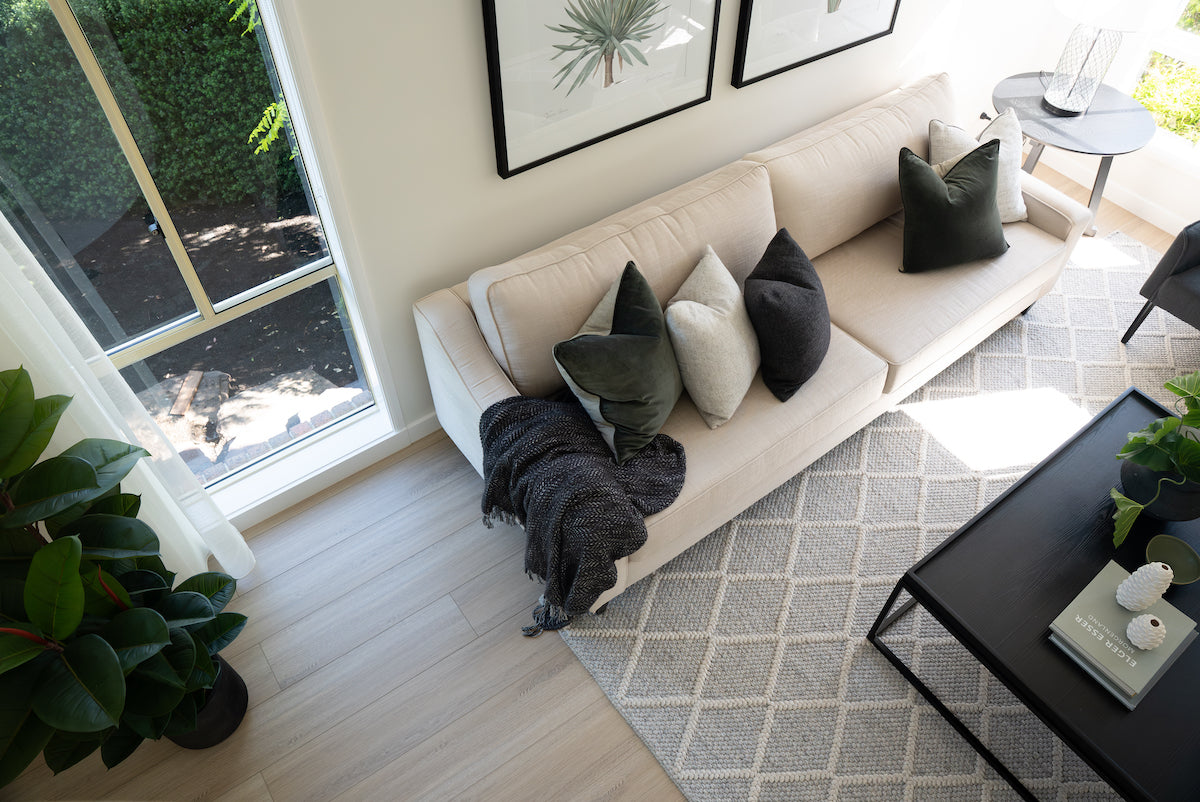
A floating floor is a flooring system that is installed without nails or glue fixing the boards directly to the subfloor. Instead, the flooring planks click or lock together and sit securely in place over an underlay.
Originally developed for laminate flooring, floating floor installation is now commonly used for hybrid flooring and engineered timber flooring. It offers a practical and efficient installation method while allowing the floor to naturally expand and contract with changes in temperature and humidity.

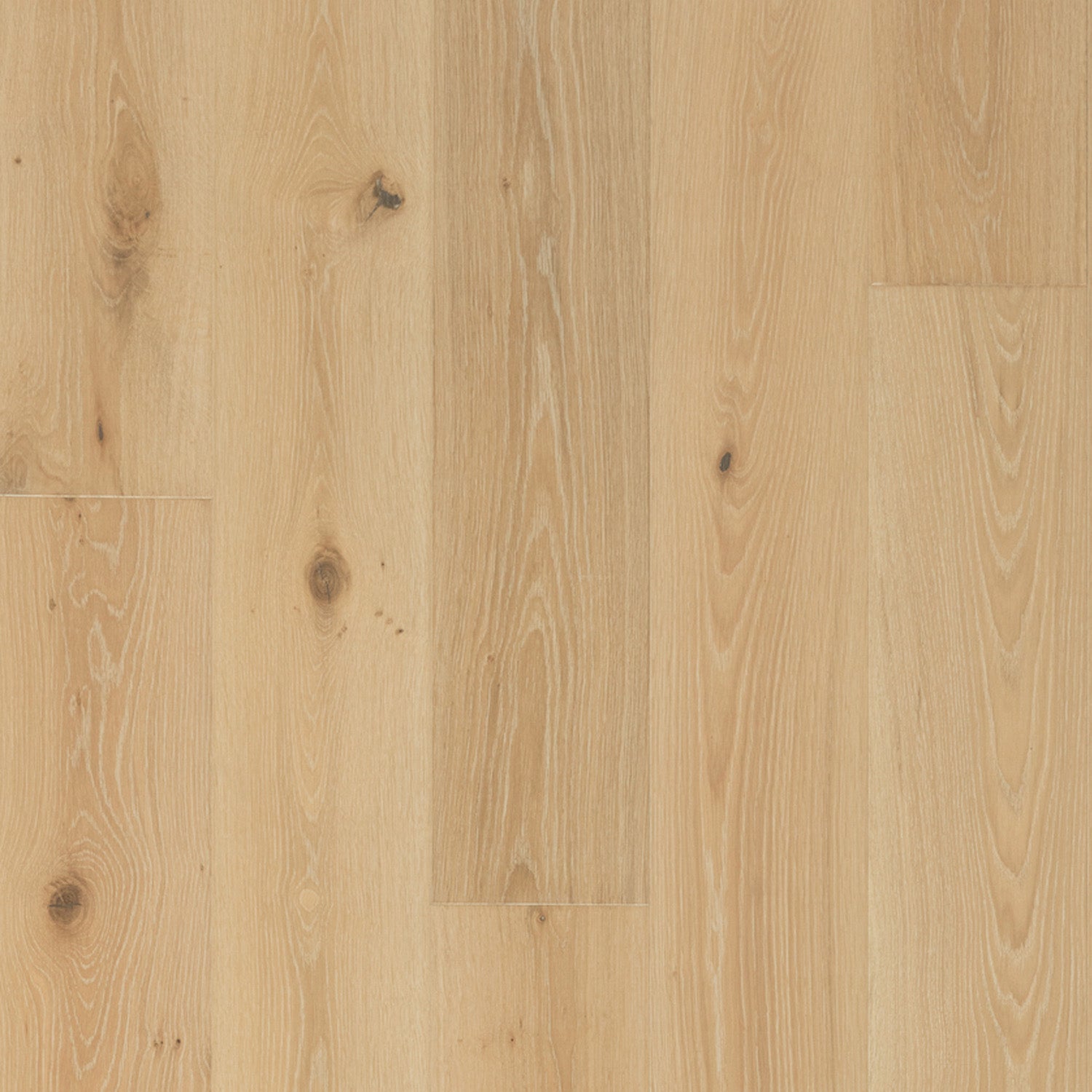
Several types of flooring can be installed using the floating floor method, where the boards click or lock together rather than being glued or nailed directly to the subfloor. Common types of floating floors include hybrid flooring, laminate flooring, engineered timber flooring and bamboo flooring.
While these flooring options can all be installed as floating floors, their installation methods, underlay requirements and costs can vary depending on the flooring type, product construction and subfloor conditions.
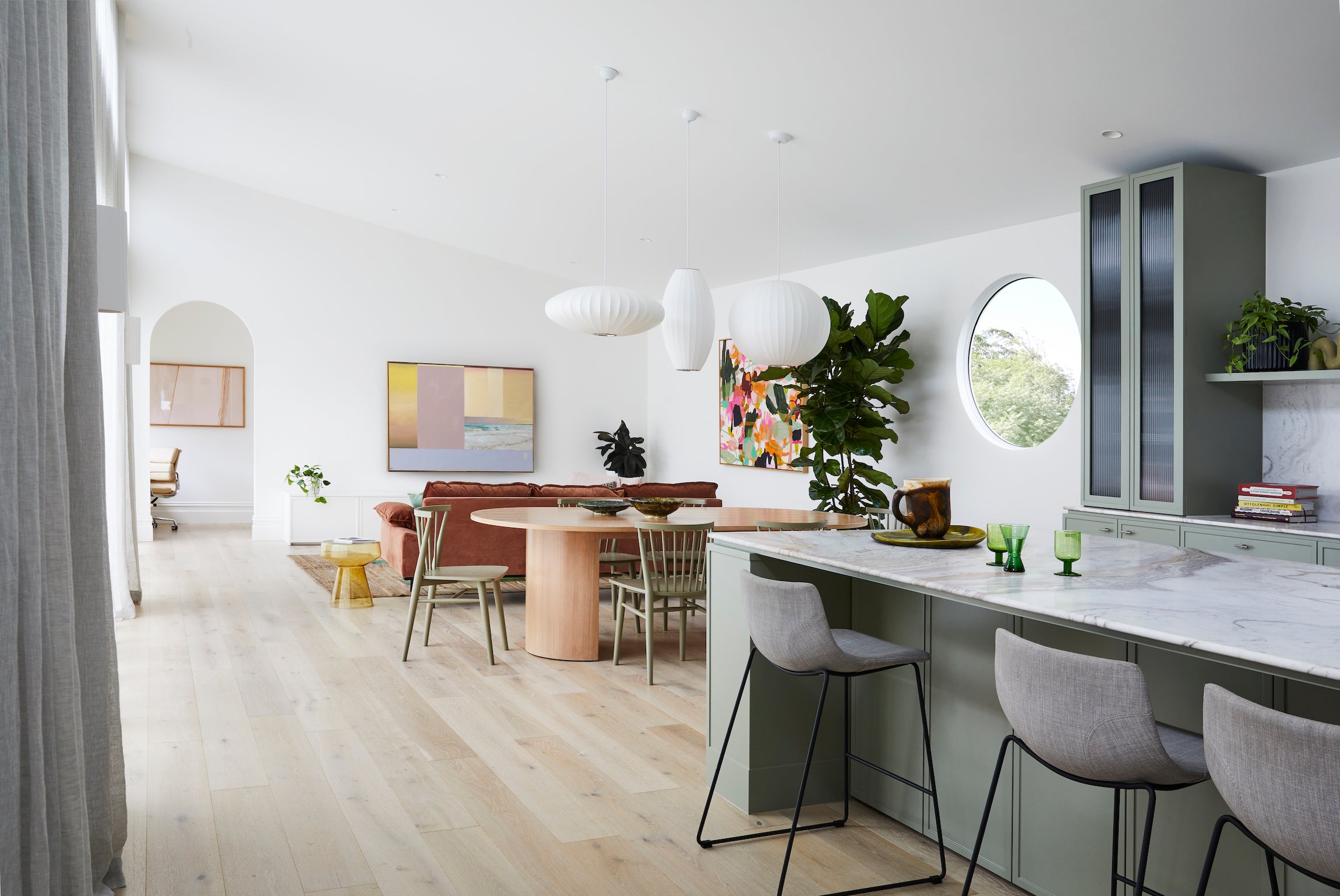
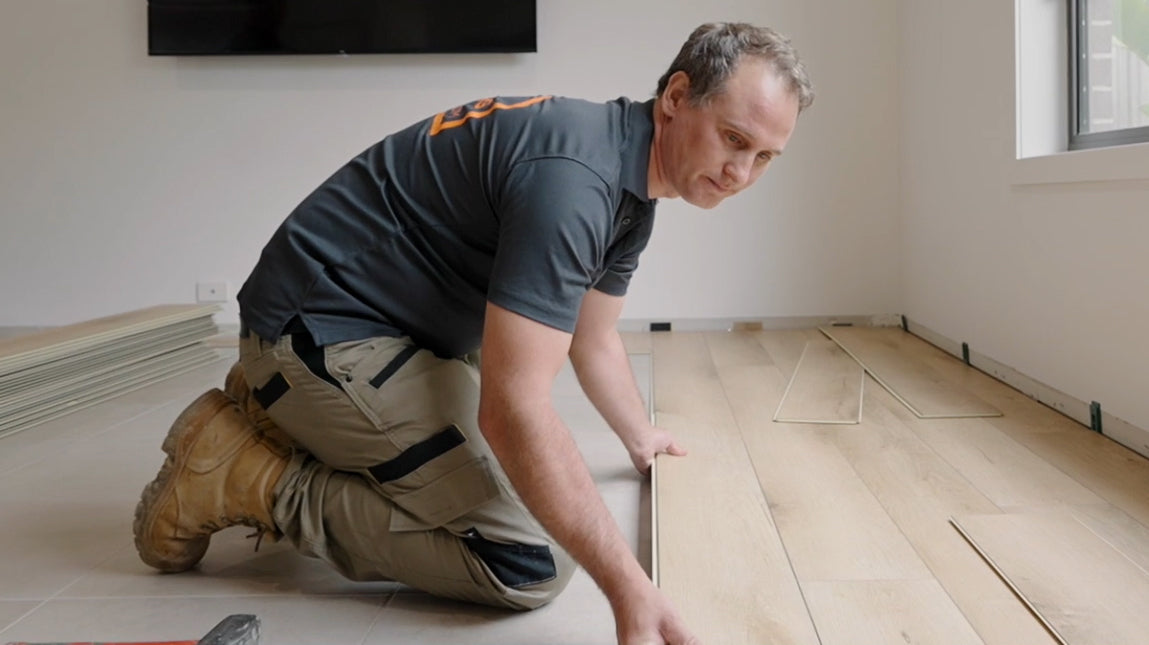
Floating floor installation is simpler and more cost effective than direct stick installation. In many cases, it can also be a DIY project.

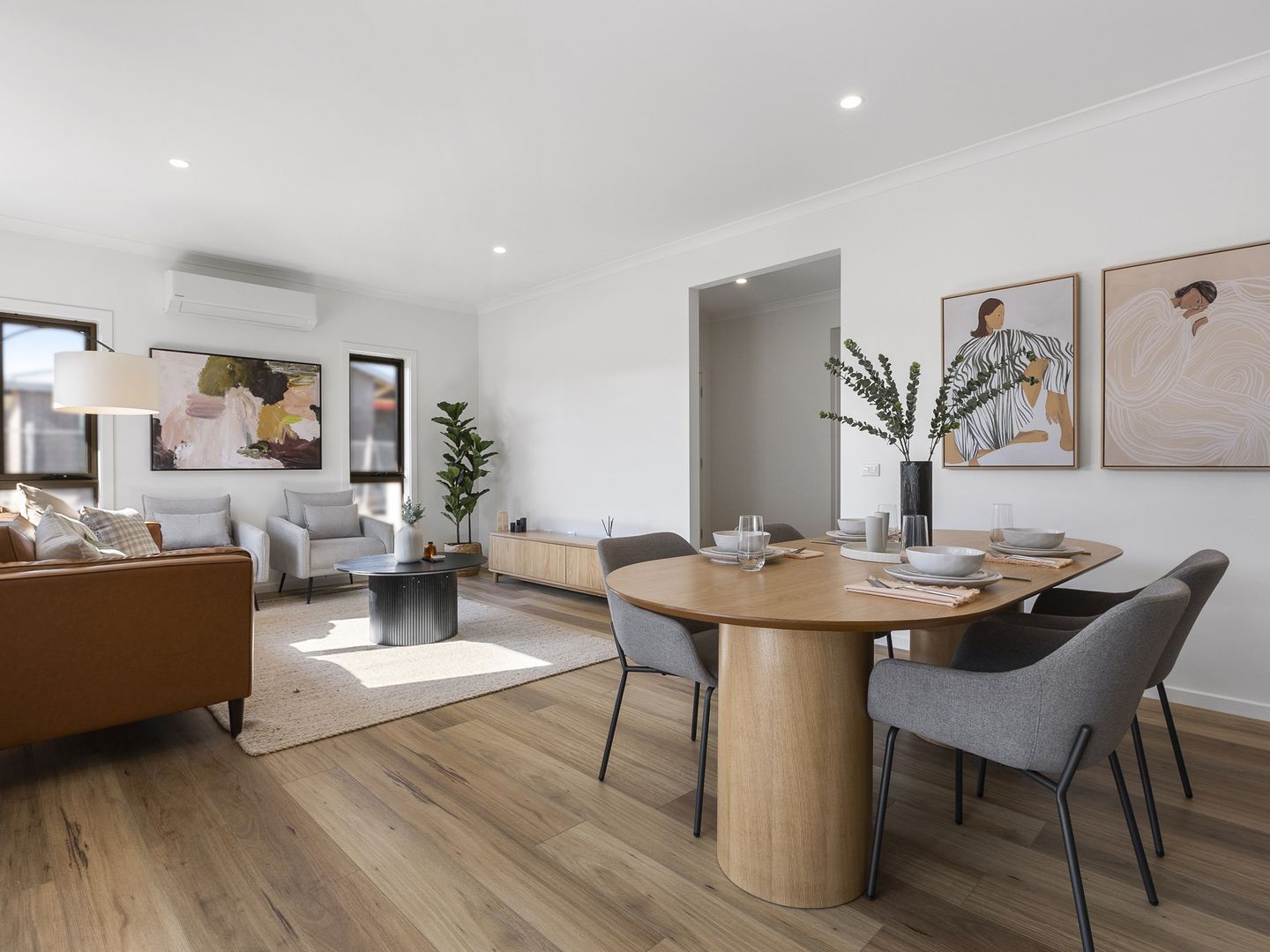
When comparing floating vs. glue down flooring, both installation methods offer distinct advantages depending on the flooring type, subfloor and requirements of your space. Floating floors are installed by locking the boards together over an underlay, while glue down flooring is adhered directly to the subfloor.
For timber flooring in particular, factors such as installation cost, stability, acoustic performance, comfort underfoot and future repairs can influence which method is best. Understanding the differences between floating and glue down flooring can help you choose the right installation method for your home.
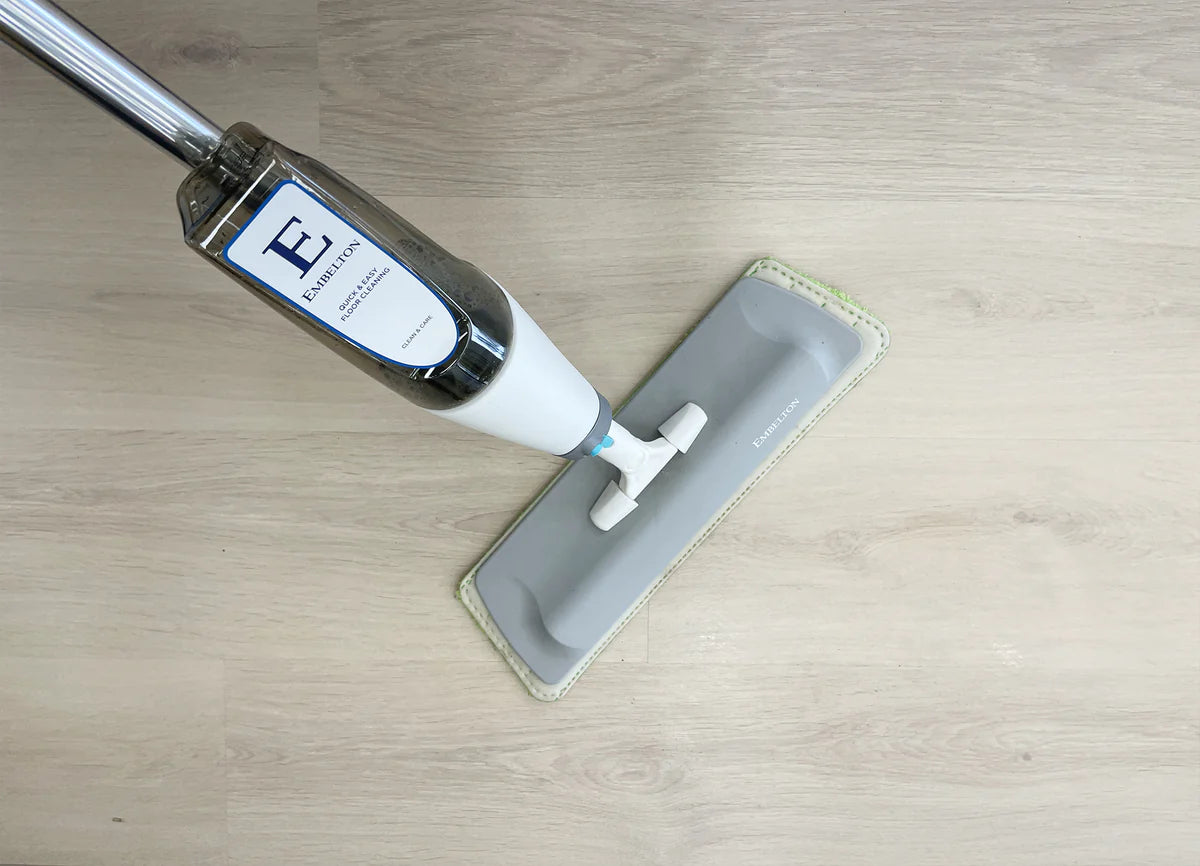
Cleaning and maintaining floating floors is simple with the right care routine. Hybrid and laminate floating floors are easy to clean and maintain, with regular vacuuming or sweeping and prompt cleaning of spills helping prevent dirt, stains and scratches. Engineered timber flooring requires a little more care and suitable timber floor cleaning products to protect its natural finish and keep it looking its best.
What our happy customers have to say...
Postcode not found, please try again