Types of Floating Floors
Learn about the different types of floating flooring as well as their advantages and disadvantages

Learn about the different types of floating flooring as well as their advantages and disadvantages
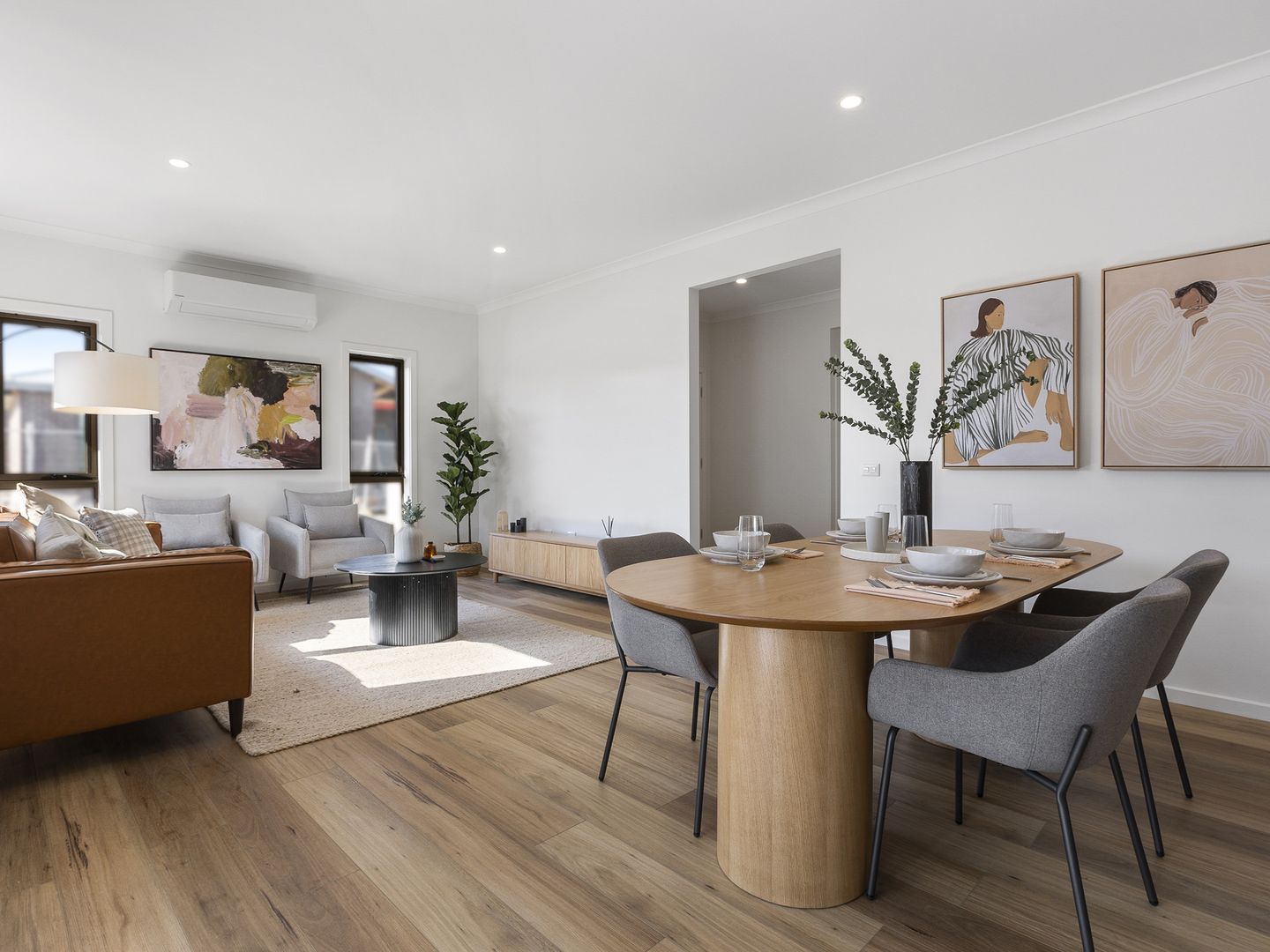
Hybrid flooring is an innovative flooring solution made from multiple materials tightly compressed into durable, waterproof layers. Designed to create next generation timber look planks, hybrid flooring combines the natural look and feel of real timber with the strength, stability and easy maintenance of modern flooring technology, making it a popular choice for busy Australian homes.
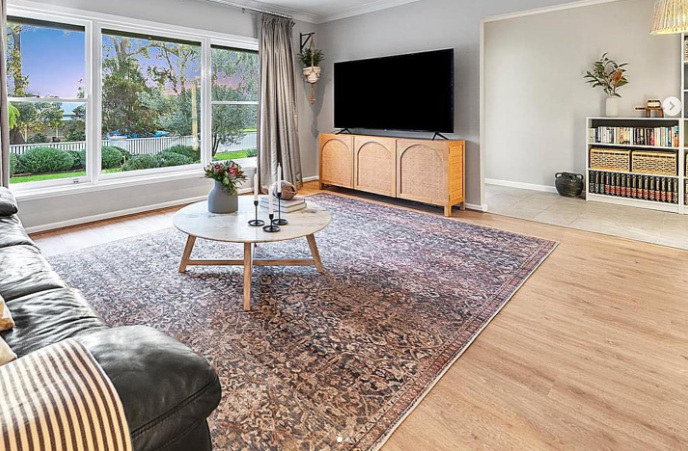
Laminate flooring is a durable and budget friendly alternative to traditional timber flooring, designed to recreate the natural look and feel of real hardwood. Combining realistic timber designs with a hardwearing, easy to maintain surface, laminate flooring is an affordable timber look flooring choice for busy Australian homes.
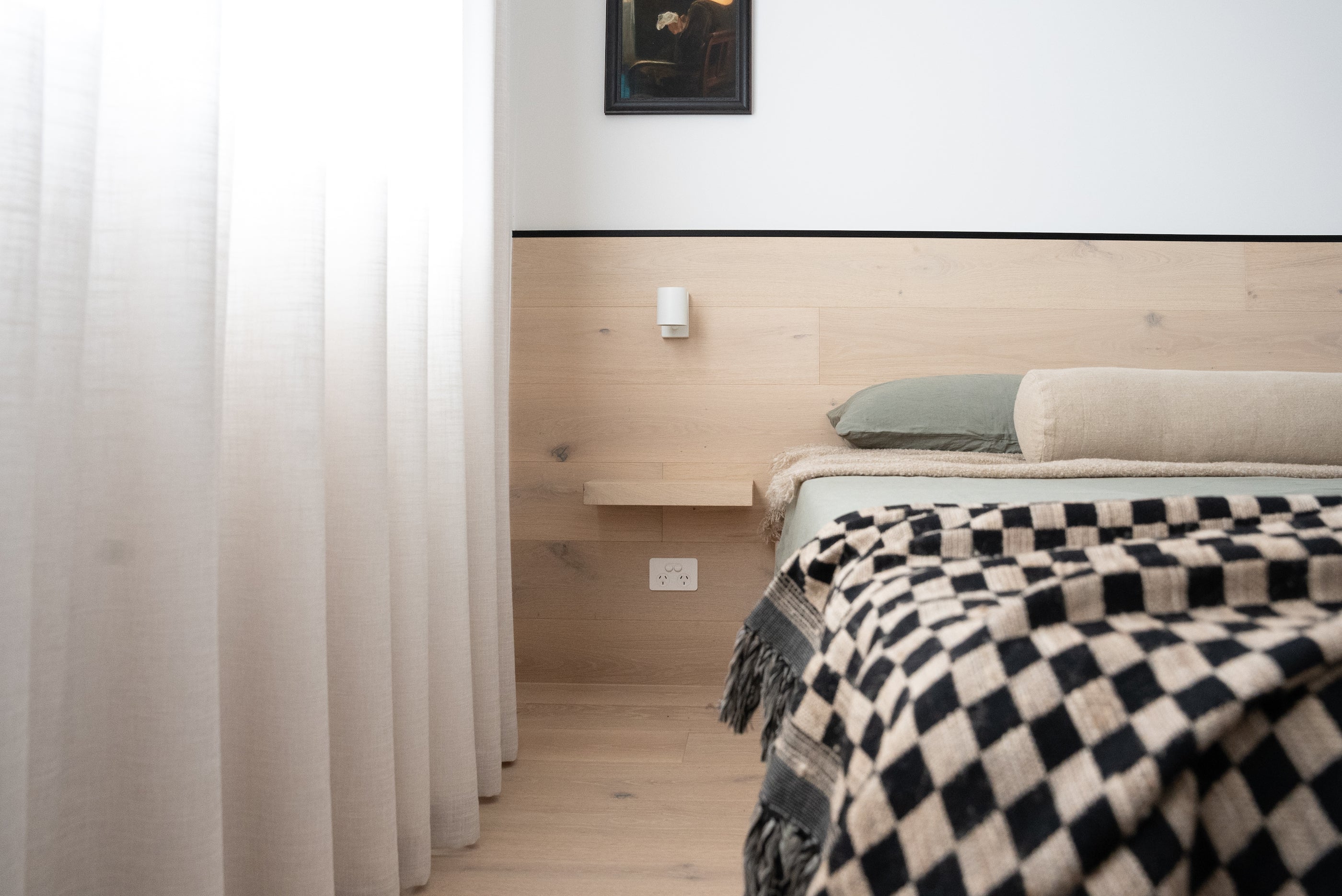
Engineered timber flooring combines the natural beauty and warmth of real timber with a practical, versatile construction. It can be installed as a floating floor over acoustic underlay, providing a quick and cost effective installation option while delivering the authentic look and feel of real timber flooring for Australian homes.
Here we outline the different types of floating installations.

When floating a timber floor an acoustic underlay is laid on the subfloor before the timber planks

Like timber flooring laminate requires an underlay to be installed prior to the floorboards being laid.

Hybrid flooring features a built-in acoustic foam underlay. Meaning no additional materials are needed for installation.
Both Hybrid and Laminate flooring share many similarities, but it is important to understand how they differ also in order to find out what is right for you.
 Scratch Resistance
Both Laminate and Hybrid flooring have incredible scratch resistant properties.
 Water Resistance
Laminate is water resistant, but not waterproof, unlike hybrid flooring which is 100% waterproof. Hybrid can be installed, without worry, in any area of the home.
 Price
Price
Laminate is cheaper than hybrid flooring. Visit our price guide here.
 Cleaning & Maintenance
Both hybrid flooring and laminate are easy to maintain & clean. Hybrid however can we wet mopped without worry, wet mopping is not recommended for laminate. Visit our hybrid cleaning guide here.
 Floor Profile
Hybrid & Laminate flooring both have a micro-bevel profile.
 Installation
Both hybrid & laminate flooring are designed for easy DIY, floating installation. However Laminate floorboards require up to one week's acclimatisation in areas that are particularly humid, cold, wet, hot or dry. Visit our Hybrid installation page here.
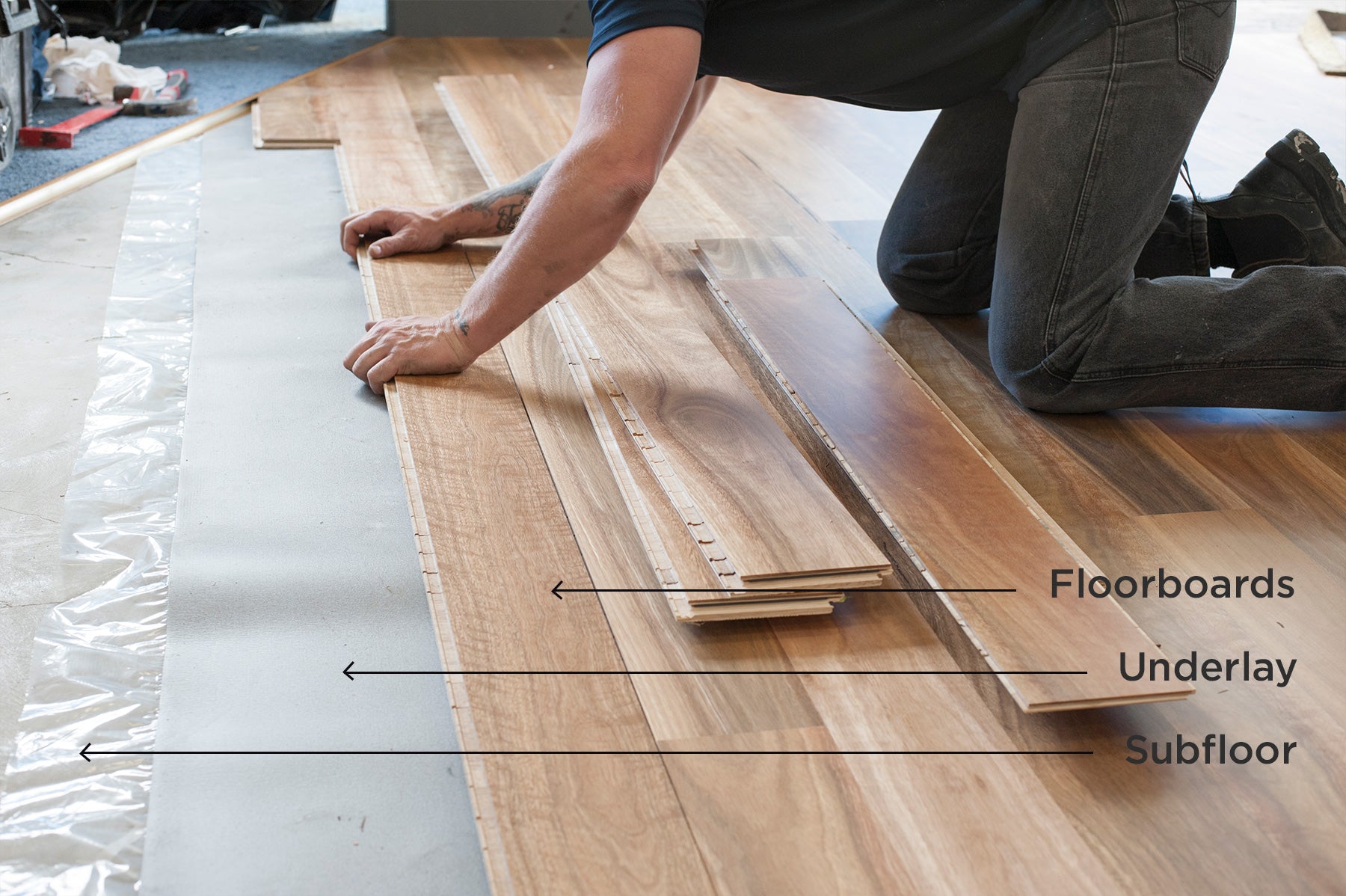
Now we understand the different types of floating floors, lets discover the advantage (and disadvantages) of floating over glue down installation.
What our happy customers say about floating flooring...
Postcode not found, please try again