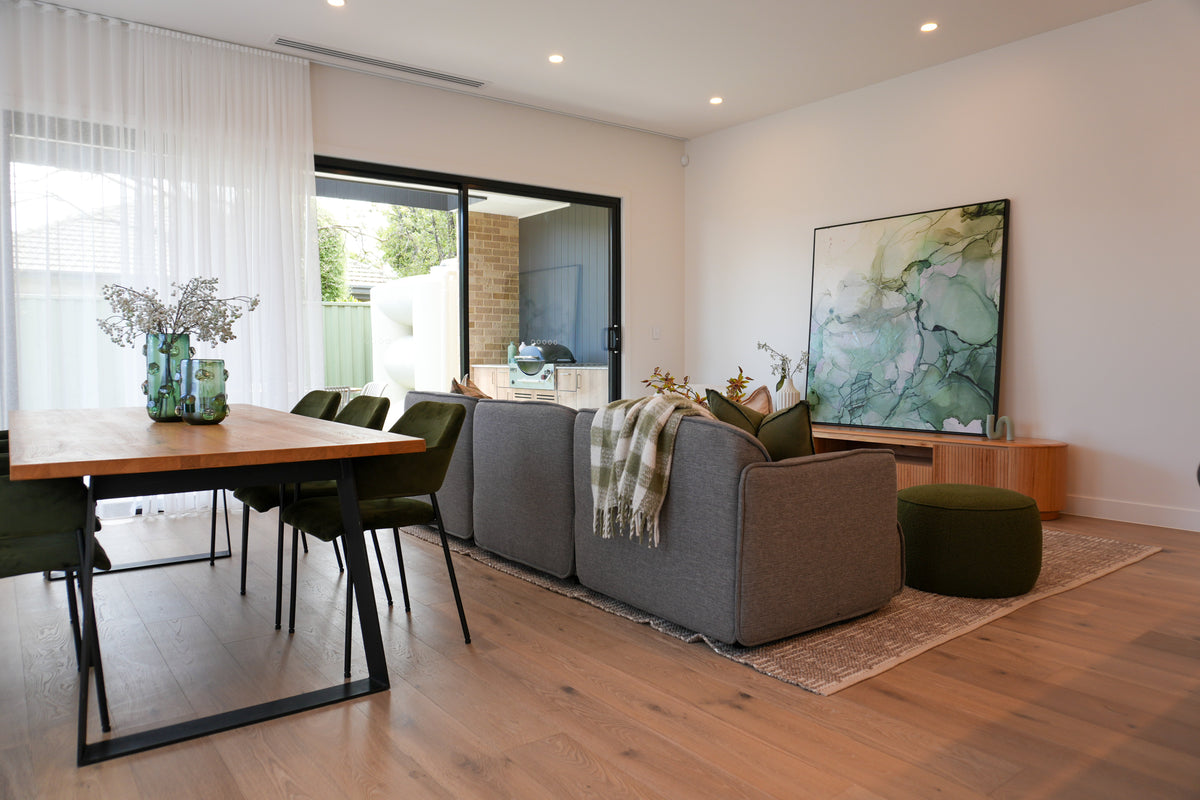
Timber vs Hybrid Flooring: Which Is Right for Your Home?
Choosing between timber and hybrid flooring is an important decision when building or renovating your home. Both offer beautiful timber-inspired finishes, but they differ in appearance, durability, water resistance, maintenance and cost.
The key difference? Engineered timber flooring features a genuine hardwood surface, offering natural warmth, character and premium appeal. Hybrid flooring combines a realistic timber-look finish with a durable, waterproof core, making it a practical choice for busy Australian households.
At Embelton Flooring, we offer an extensive range of engineered timber and hybrid flooring to suit different interiors, lifestyles and budgets.
This guide compares timber vs hybrid flooring, helping you understand their benefits, costs and suitability for different areas of your home.

What Is Engineered Timber Flooring?
Engineered timber flooring combines the natural beauty of real hardwood with the stability of modern flooring construction.
Each board features a genuine timber surface layer bonded to a multi-layer plywood. This construction helps reduce the expansion and contraction commonly associated with solid timber flooring.
Unlike timber-look alternatives, engineered timber showcases authentic grain patterns, natural colour variations and unique textures.
Benefits of Engineered Timber Flooring
- Authentic appearance: Genuine hardwood provides natural warmth, character and distinctive grain patterns.
- Premium aesthetic: Creates a sophisticated finish suited to contemporary and traditional interiors.
- Long-term durability: Quality engineered timber can last for decades with appropriate care.
- Refinishing potential: Selected products can be sanded and refinished, depending on their wear layer thickness.
- Versatile installation: Suitable products can be installed using floating or direct-stick methods.
The Embelton engineered timber flooring range includes Australian hardwood species such as Spotted Gum, Blackbutt, Jarrah and Sydney Blue Gum, alongside elegant European Oak and herringbone flooring designs.
Best suited for: Living rooms, dining areas, bedrooms and homeowners seeking the timeless appeal of genuine timber.
What Is Hybrid Flooring?
Hybrid flooring is a modern flooring solution designed to replicate the appearance of natural timber while offering enhanced durability, water resistance and low-maintenance performance.
Unlike engineered timber, hybrid flooring uses a high-definition decorative surface rather than genuine hardwood.
Most hybrid flooring products feature four key layers:
- Protective wear layer: Helps resist everyday scratches, stains and surface wear.
- Decorative layer: Recreates natural timber colours, textures and grain patterns.
- Rigid core: Typically manufactured using Stone Polymer Composite (SPC) or Wood Polymer Composite (WPC) for strength and stability.
- Acoustic underlay: Helps reduce footfall noise and improve underfoot comfort.
Learn more about the construction and benefits of hybrid flooring.
Benefits of Hybrid Flooring
- Waterproof core: Provides protection against everyday spills and moisture exposure.
- Scratch resistance: Designed to withstand regular household activity, including children and pets.
- Easy maintenance: Requires regular sweeping, vacuuming and occasional damp mopping.
- Affordable alternative: Delivers a realistic timber appearance at a generally lower cost than engineered timber.
- Convenient installation: Click-lock systems allow efficient floating-floor installation.
The Embelton hybrid flooring range includes Atlantis, Atlantis Wideboard+ and Aqua-Tuf, with timber-inspired finishes such as Blackbutt, Tasmanian Oak and European Oak.

Best suited for: Busy family homes, kitchens, hallways, high-traffic areas and homeowners seeking durable, low-maintenance flooring.
Timber vs Hybrid Flooring: Key Differences
Understanding the differences between engineered timber and hybrid flooring can help you select the most suitable option for your home.
|
Feature |
Engineered Timber |
Hybrid Flooring |
|
Material |
Genuine hardwood surface |
Printed timber-look surface |
|
Appearance |
Natural grain and unique variation |
Realistic, consistent timber designs |
|
Water resistance |
Sensitive to prolonged moisture |
Waterproof core; joints are not watertight |
|
Scratch resistance |
Depends on timber species and finish |
Protective wear layer for everyday durability |
|
Maintenance |
Requires timber-specific care |
Generally easy to clean |
|
Refinishing |
Possible on selected products |
Cannot be sanded or refinished |
|
Installation |
Floating or direct stick |
Floating only |
|
Lifespan |
Can last decades with proper care |
Long-lasting with appropriate maintenance |
|
Cost |
Generally higher |
Generally, more affordable |
In summary: Engineered timber offers the authenticity and premium character of real wood, while hybrid flooring provides practical durability, water resistance and affordability.
Which Is Better: Timber or Hybrid Flooring?
Neither flooring type is universally better. The right choice depends on your lifestyle, budget, design preferences and where the flooring will be installed.
Choose Engineered Timber Flooring If You:
- Prefer the natural beauty and warmth of genuine hardwood.
- Want a premium finish that complements your home's interior design.
- Are renovating a long-term family home.
- Appreciate natural Australian timber or European Oak.
- Want the possibility of refinishing your flooring in the future.
- A great way to add value to your home when selling, with timeless appeal that attracts buyers and enhances resale potential.
· Engineered timber is particularly appealing for homeowners who value authentic materials, distinctive character and timeless design.
Choose Hybrid Flooring If You:
- Have children, pets or a busy household.
- Need greater protection against everyday spills and moisture.
- Prefer flooring that requires minimal maintenance.
- Want an affordable timber-look flooring solution.
- Are renovating an investment property or large open-plan area.
Hybrid flooring offers an excellent balance of style, functionality and value for modern Australian living.

Timber vs Hybrid Flooring: Cost Comparison
Cost is an important consideration when comparing engineered timber and hybrid flooring.
Hybrid flooring is generally more affordable, with indicative supply prices ranging from approximately $30–$70 per m², depending on the product, thickness and finish.
Engineered timber flooring typically costs around $70–$140 per m² for supply, with premium species and specialised designs potentially costing more.
Installation costs also vary depending on the flooring system, subfloor condition and project complexity.
Additional expenses may include subfloor levelling, moisture barriers, removal of existing flooring and finishing trims.
For further information, explore Embelton's hybrid flooring cost guide.
*Prices are indicative only and may vary. Check current product pricing before purchasing.
Installation and Maintenance: What Should You Consider?
Installation
Hybrid flooring features a click-lock system, allowing boards to be installed as a floating floor without adhesive. This makes selected products suitable for experienced DIY renovators.
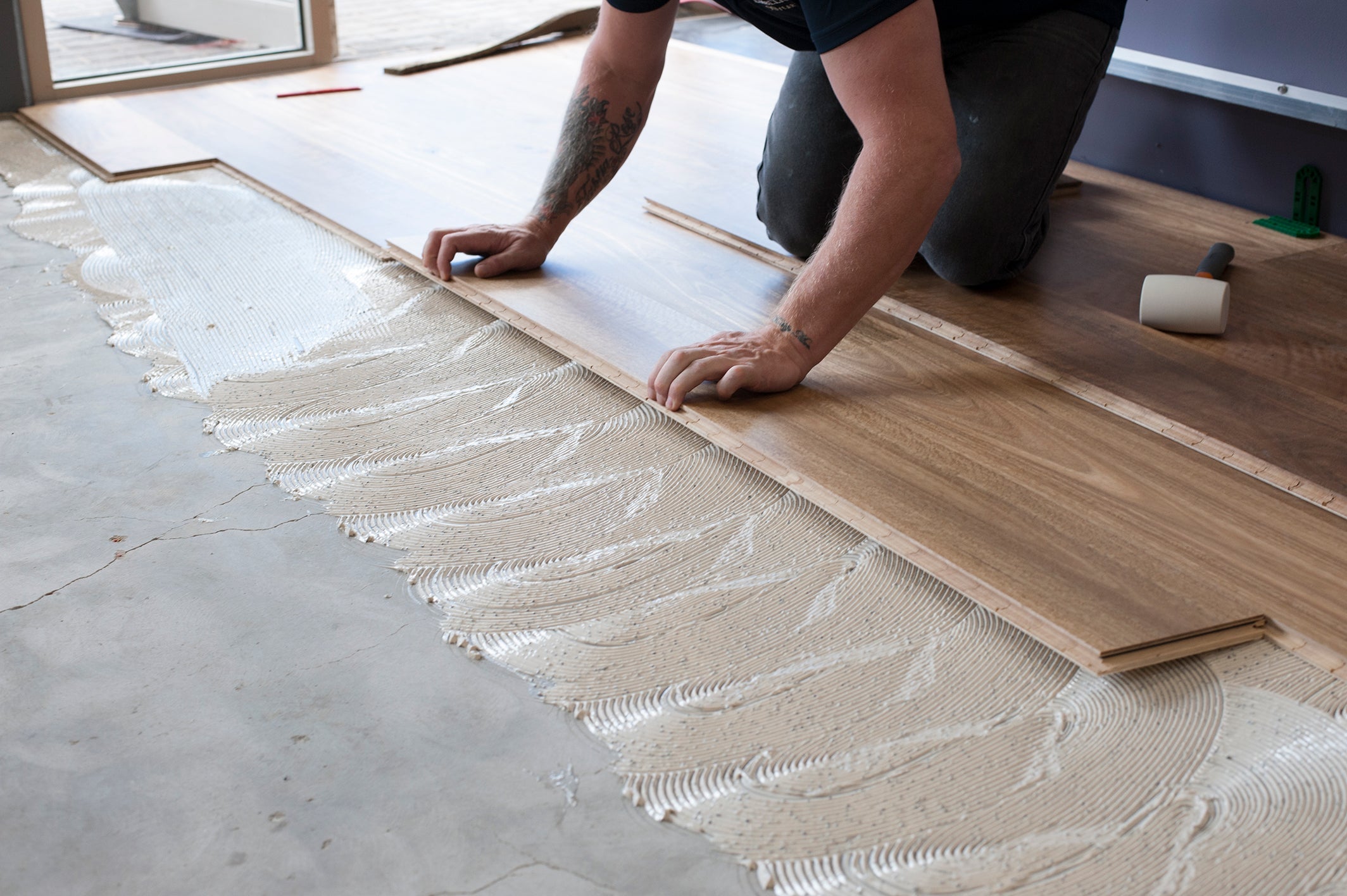
Engineered timber flooring can be installed using floating or direct-stick methods, depending on the product. Professional installation is recommended, particularly for glue-down applications and herringbone designs.
For both flooring types, proper subfloor preparation and compliance with manufacturer installation requirements are essential.
Maintenance
Engineered timber flooring requires regular sweeping or vacuuming and cleaning with a spray mop and an approved timber cleaner. Excess moisture, abrasive products and steam mops should be avoided.
Hybrid flooring is generally easier to maintain, requiring regular vacuuming and occasional spray mop. Although its core is waterproof, spills should still be cleaned promptly to prevent water reaching the subfloor through joints.
Both flooring types benefit from protective furniture pads and entrance mats.
Can You Combine Timber and Hybrid Flooring in One Home?
Yes. Combining engineered timber and hybrid flooring can provide a practical balance between natural beauty and everyday functionality.
For example, engineered timber can create a premium finish in living areas and kitchen while hybrid flooring can be considered for bedrooms, hallways and other high-traffic spaces.
Choosing complementary colours and timber tones helps maintain a cohesive interior design. Appropriate transition trims can create a neat finish between different flooring materials.
Frequently Asked Questions About Timber vs Hybrid Flooring
1. Is Hybrid Flooring Better Than Engineered Timber?
Hybrid flooring is generally better suited to busy households requiring water resistance, durability and easy maintenance. Engineered timber is ideal for homeowners who prefer genuine hardwood, natural character and a premium finish. The best choice depends on your lifestyle and priorities.
2. Is Hybrid Flooring Really Waterproof?
Hybrid flooring features a waterproof core designed to resist moisture-related swelling. However, water can still penetrate plank joints and edges, potentially affecting the subfloor. Spills should be cleaned promptly, and hybrid flooring should not replace an approved waterproofing system.
3. Which Flooring Is Better for Dogs and Pets?
Hybrid flooring is often preferred for homes with pets because its protective wear layer helps resist everyday scratches and its waterproof core provides additional protection against spills. However, no flooring is completely scratch proof. Harder timber species, such as Spotted Gum and Blackbutt, are also worth considering.
4. How Long Does Timber Flooring Last Compared to Hybrid?
Quality engineered timber flooring can last 25 years or longer with appropriate installation and maintenance. Some products can also be refinished to extend their usable life. Hybrid flooring can provide many years of service, although damaged or worn decorative surfaces cannot be sanded and refinished. Both Embelton’s Engineered Timber and Hybrid flooring products are covered by a 25 year residential warranty.
5. Can Hybrid Flooring Be Installed in Kitchens and Bathrooms?
Hybrid flooring is a practical choice for many kitchens because of its waterproof core and easy-clean surface. However, bathrooms and other wet areas have specific waterproofing requirements. Always check the product specifications and manufacturer recommendations before installation. ** Be careful with this answer as timber can be installed in the kitchen as well. Please change.
6. Does Engineered Timber Flooring Add Value to a Home?
Engineered timber flooring is often considered a premium feature because it contains genuine hardwood. Its natural appearance can enhance a home's presentation and appeal to potential buyers. However, any increase in property value depends on the overall property, market conditions and buyer preferences.
7. Can Hybrid Flooring Be Installed Over Existing Tiles?
In some cases, hybrid flooring can be installed over existing tiles, provided the surface is flat, stable, dry and meets the manufacturer's installation requirements. Uneven tiles, deep grout lines or moisture issues may require additional subfloor preparation.
8. Does Hybrid Flooring Look Like Real Timber?
Modern hybrid flooring uses high-definition printing and textured finishes to closely replicate natural timber. While engineered timber offers authentic grain variation and texture, quality hybrid flooring provides a realistic timber-inspired appearance at a more accessible price.
The Verdict: Which Flooring Should You Choose?
When comparing timber vs hybrid flooring, both options offer distinct advantages.
Choose engineered timber if you value genuine hardwood, natural warmth, timeless design and long-term appeal.
Choose hybrid flooring if your priorities are water resistance, everyday durability, easy maintenance and affordability.
Ultimately, the best flooring is one that complements your home, suits your lifestyle and meets your budget.
Find Your Perfect Floor with Embelton
Whether you prefer the natural elegance of engineered timber or the practical versatility of hybrid flooring, Embelton offers a wide selection of flooring solutions for Australian homes.
Explore our timber and hybrid flooring collections, order samples or use our Room Visualiser to discover how different finishes could look in your space.
For personalised advice, visit an Embelton showroom or speak with our flooring specialists to find the right flooring for your home.